REVIEW · KAMIGATA UKIYOE MUSEUM
Kamigata Ukiyoe Museum:Ukiyo-e Woodblock Printing Experience
Book on GetYourGuide →Operated by LINKTIVITY Inc. · Bookable on GetYourGuide
You feel ukiyo-e one color at a time. At the Kamigata Ukiyo-e Museum workshop, you print your own piece using original woodblocks, then learn how the “printing” step shapes the final look. It’s hands-on, practical, and short enough to fit even a busy day in Honshu.
I especially like the way the beginner to advanced courses keep the lesson approachable while still letting you make something that feels real. The main consideration is that the workshop fee is separate from museum admission, so you’ll need to budget for both and arrive on time for your slot.
In This Review
- Key things to know before you book
- Why this Kamigata printmaking workshop feels different
- Picking the right course: beginner, intermediate, or advanced
- What happens in the workshop room on the 4th floor
- The core action: print your colors onto Japanese paper
- Learning while you work
- Instructor support (English and Japanese)
- Price and logistics: what you’re paying for (and what costs extra)
- What the $5 really covers
- Value check: souvenir + process
- Timing matters: how long it takes and when to arrive
- Location tips: pairing the workshop with the museum galleries
- What you take home: your finished print in a clear file
- Who this suits best (and who should think twice)
- Great fit for you if…
- Consider thinking twice if…
- New Year closure dates to plan around
- Should you book this printmaking workshop?
- FAQ
- Is the museum admission ticket included in the workshop price?
- How long does the Ukiyo-e printing experience take?
- What course levels are available?
- What’s included in the price, and what isn’t?
- Will I be able to take my artwork home?
- Where does the workshop happen, and what seating should I expect?
- What languages are offered by the instructor?
- Are there any closures during the New Year holiday?
- What are the payment and cancellation options?
- Final call
Key things to know before you book
- Original woodblocks, not imitation plates: You’ll print using the museum’s own carving blocks.
- Multi-color printing in 30–60 minutes: You’ll layer 3 to 4 colors onto Japanese paper.
- Tatami-room style seating: You sit on zabuton cushions, and small stools are limited.
- One group per class: The workshop runs as a private group to keep attention high.
- Take home a finished souvenir: Your print goes into an original clear file.
Why this Kamigata printmaking workshop feels different
Woodblock printing sounds simple until you try it. Then you realize it’s less like coloring and more like engineering on paper. You’re not just making a picture; you’re making an image through the repeatable act of printing.
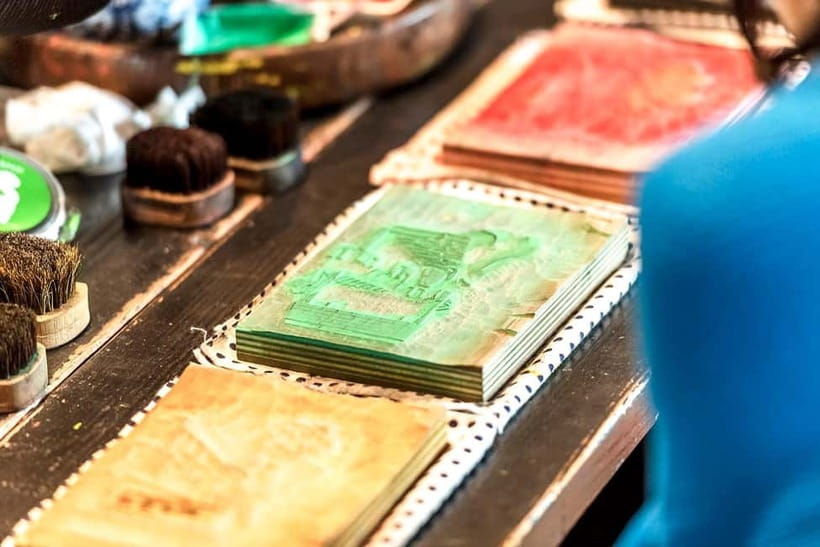
At Kamigata Ukiyo-e Museum, the big win is the chance to work from original woodblocks. That matters because the texture, the carving style, and the way ink transfers are all part of what makes ukiyo-e look like ukiyo-e. You get to experience that logic firsthand instead of reading about it.
I also like that the lesson ties back to the core idea that printing is essential to ukiyo-e production. It reframes what you’re seeing in museums. After you learn how the transfer works, the art on the walls stops looking like a single “drawing” and starts looking like a carefully controlled process.
A final plus: it’s short. The workshop runs about 30 minutes to 1 hour, so it doesn’t demand a half-day commitment.
Picking the right course: beginner, intermediate, or advanced
The workshop offers three course levels, and you choose based on what you want from the experience. Even if you’ve never done anything like this, you’re not thrown into the deep end right away.
Here’s how to think about each level:
Beginner course
This is built for first-timers. You’ll still do multi-color printing and work with techniques like baren rubbing and pressure application. The goal is to help you experiment, not to stress you out about perfection.
Intermediate course
This is for people who want more control and more technical challenge. You’ll likely spend more time fine-tuning how you apply pressure and manage the feel of the print. If you enjoyed craft activities but felt you were guessing, intermediate is a good step up.
Advanced course
The advanced option is more demanding, and the payoff is more color and more steps in the process. If you like hands-on challenges and want your brain to stay busy, this is a good match.
If you’re deciding between levels, use this rule of thumb: pick beginner if you want confidence and a fun souvenir; pick advanced if you want to feel the mechanics of the method in a deeper way.
What happens in the workshop room on the 4th floor
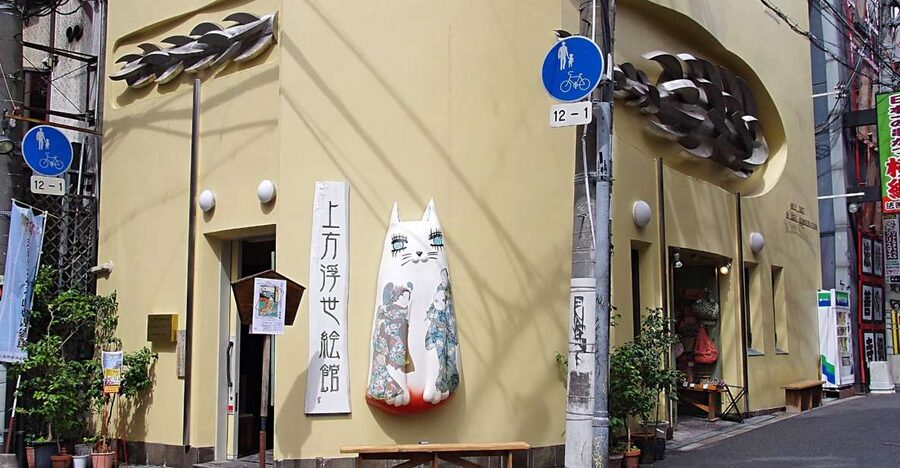
Your session takes place in a Japanese-style exhibition room on the 4th floor. When you arrive, you’ll be seated in a tatami room using zabuton cushions. There are small stools available, but they’re limited, so don’t assume you’ll get one.
The class is designed for quality, not crowds. Only one group is available per class, which helps because the instructor can keep an eye on your technique and pacing. That matters with printing because tiny differences in pressure can change how the ink shows up.
The core action: print your colors onto Japanese paper
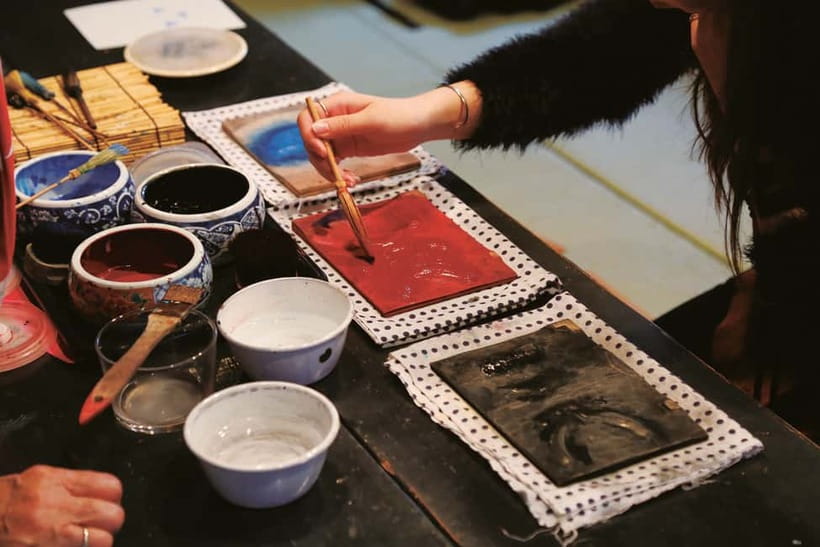
The workshop centers on printing your own ukiyo-e on high-quality Japanese paper. You’ll print 3 to 4 colors using the museum’s original woodblocks. The instructor guides you through the process, and you’ll use a mix of approaches, including painting techniques, baren rubbing, and pressure application.
Multi-color printing is the heart of the lesson. You start to understand that an ukiyo-e doesn’t appear all at once. Instead, it builds through repeated printing steps—each color layer helping define the mood, depth, and crispness of the image.
Learning while you work
The museum doesn’t treat this as a purely decorative craft. You learn the significance of “printing” in ukiyo-e creation—why the method is part of the artwork’s identity.
That’s where the experience earns its “museum” credibility. When you finish, you’ll look at woodblock prints differently, because you’ll know what decisions the printer and artist had to solve.
Instructor support (English and Japanese)
You’ll have an instructor who can work in English and Japanese. In past classes, instructors like Mrs. Saya have been described as sweet, encouraging, and patient—especially helpful when language is a little imperfect. If you’re not fluent, you’ll still be able to follow along because the work is physical and visual.
Price and logistics: what you’re paying for (and what costs extra)
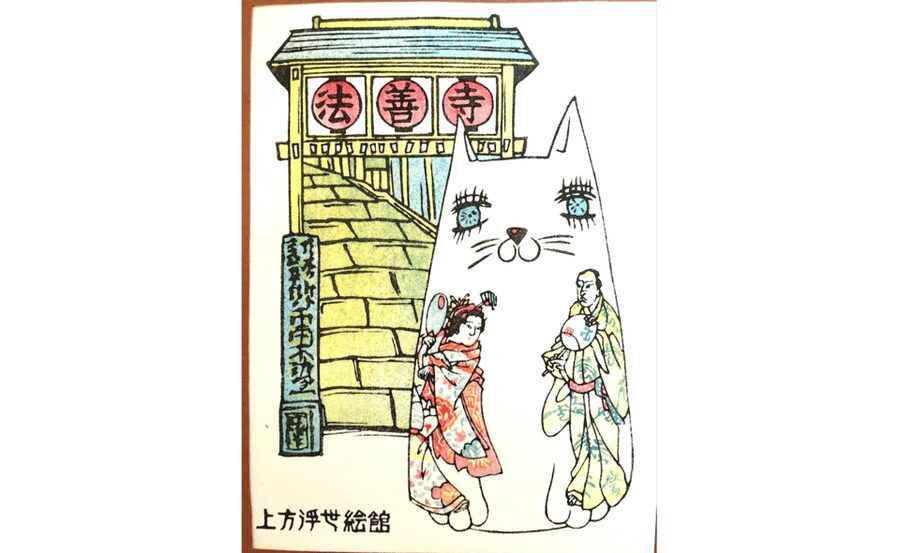
The workshop fee is listed as $5 per person, which is honestly tough to beat for an authentic, hands-on printmaking session. But there’s a catch you should plan for: you need a separate museum admission ticket to participate.
So your real cost is the price of admission plus the workshop fee. That separation is common with museums, but it’s worth checking before you assume $5 is everything.
What the $5 really covers
Your workshop fee includes:
- The Ukiyo-e printing experience fee
- An instructor (English, Japanese)
It does not include:
- Museum admission
- Personal expenses
Value check: souvenir + process
The workshop is also good value because you get more than a quick keepsake. You leave with a finished artwork created in the course, not just a sample or a demonstration. The print goes home with you in an original clear file, and some classes may also provide decorative protective paper sleeves.
For most people, the biggest value is the understanding you gain. You’re basically paying $5 to learn a real technique instead of only seeing it behind glass.
Timing matters: how long it takes and when to arrive
Your session runs about 30 minutes to 1 hour. The schedule has starting times depending on availability, so check the time you select and plan around it.
One practical rule: if you don’t arrive within 30 minutes of your reservation time, the reservation is considered cancelled, and no refunds are provided. That means you’ll want to build in a little buffer, especially if you’re also planning to see other parts of the museum.
Also note: the workshop is on the 4th floor, so give yourself enough time to get there without rushing.
Location tips: pairing the workshop with the museum galleries
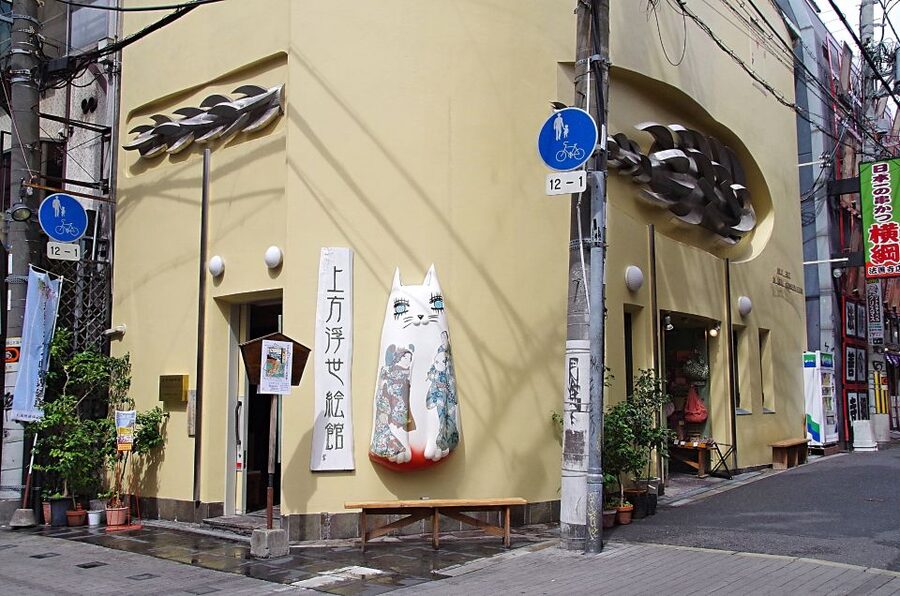
This museum is in Honshu, and the area around it is described as beautiful and old-school, just behind Dotonbori. That location is helpful because you’re not stuck in an isolated craft zone. You can do the class, then stroll the museum after, or catch nearby streets if your schedule is flexible.
A smart way to plan the day is this:
- If you’re curious about ukiyo-e visuals, consider looking around the museum collection before you print.
- Then do the workshop so you can connect what you saw in the galleries to the process you’re repeating at the worktable.
Many people find the museum visit “clicks” more after they understand how printing drives the look.
What you take home: your finished print in a clear file
At the end, you receive your finished piece in an original clear file to take home. That simple packaging is practical for travel, because it helps keep your print flat and protected.
Since this is a multi-color woodblock result, your souvenir has real visual texture. It’s not just a single ink wash; it’s layered color work transferred through the block-and-paper process.
If you want to display it later, the clear file is a good short-term solution. For longer-term storage, you might want to add extra protection once you’re back at your hotel.
Who this suits best (and who should think twice)
This experience is ideal if you want an authentic craft that actually teaches the method behind the art. You don’t need experience to enjoy it, and the course levels give you a path from first-time curiosity to a more technical challenge.
Great fit for you if…
- You like hands-on learning more than passive museum viewing
- You want a meaningful souvenir you made yourself
- You’re visiting Osaka (the Dotonbori area) and want one focused activity that doesn’t eat your whole day
- You appreciate small-group attention (one group per class)
Consider thinking twice if…
- You’re short on time and hate anything with fixed start slots (arriving on time matters)
- You’re budgeting tightly, because the workshop fee is only part of the total cost (admission is separate)
- You have strong preferences about seating. The tatami setup uses zabuton cushions, with stools available but limited
New Year closure dates to plan around
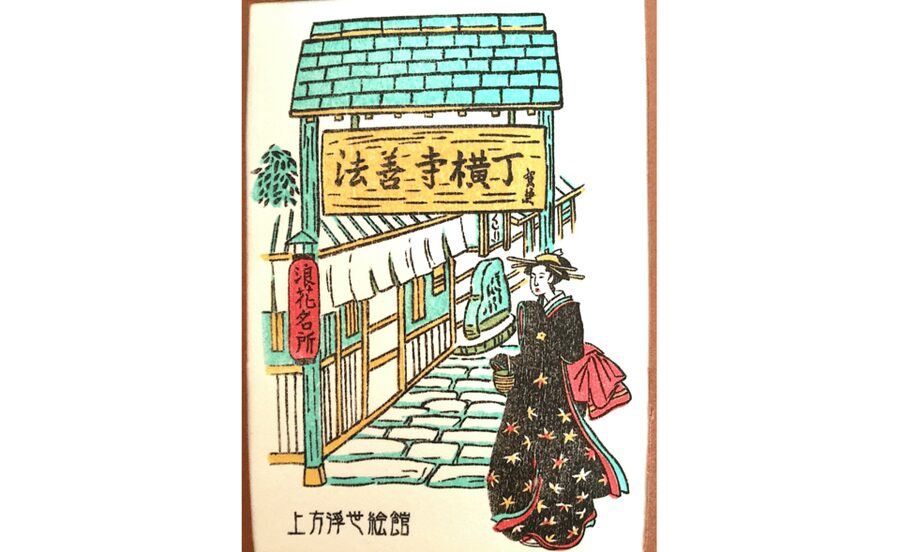
The workshop is unavailable from December 29 to January 3. If you’re visiting during that window, you’ll need a different activity plan.
This is one of those small details that can save you from disappointment, since New Year travel schedules get tricky fast.
Should you book this printmaking workshop?
Yes, I think you should book it if you want real-world technique at a price that doesn’t feel like a splurge. The original woodblocks, the multi-color printing, and the fact that you take home a finished print make it a strong deal.
Choose this specifically if you like museum experiences where you learn by doing. If you just want a quick photo stop, you might feel it’s more work than you expected. But if you’re the type who enjoys hands-on craft and wants a deeper connection to what you see in the galleries, this is one of the best ways to spend an hour in the area.
FAQ
Is the museum admission ticket included in the workshop price?
No. You’ll need to buy the Kamigata Ukiyo-e Museum admission ticket separately. The workshop fee covers the printing experience and the instructor.
How long does the Ukiyo-e printing experience take?
Plan on 30 minutes to 1 hour. Starting times depend on availability, so check the schedule when you book.
What course levels are available?
You can choose from beginner, intermediate, and advanced courses.
What’s included in the price, and what isn’t?
Included: the Ukiyo-e printing experience fee and an instructor (English and Japanese). Not included: museum admission and personal expenses.
Will I be able to take my artwork home?
Yes. You’ll finish your print and receive it in an original clear file to take home as a souvenir.
Where does the workshop happen, and what seating should I expect?
The printing takes place in the Japanese-style exhibition room on the 4th floor. You’ll sit in a tatami room on zabuton cushions, with small stools available but limited.
What languages are offered by the instructor?
The instructor is available in English and Japanese.
Are there any closures during the New Year holiday?
Yes. The experience is unavailable from December 29 to January 3.
What are the payment and cancellation options?
You can reserve now and pay later (pay nothing today). There’s also free cancellation up to 24 hours in advance for a full refund.
Final call
If your goal is an authentic, hands-on ukiyo-e experience with a real takeaway and a short time commitment, this is a smart booking. Budget for the separate museum admission, arrive on time, and pick the level that matches your comfort—then enjoy the satisfying moment when your color layers finally click into place.