REVIEW · MEMORIAL AND MUSEUM AUSCHWITZ BIRKENAU
Auschwitz-Birkenau Museum Tour from Krakow
Book on GetYourGuide →Operated by Amazing Krakow Tours · Bookable on GetYourGuide
Auschwitz-Birkenau isn’t an ordinary day trip. It’s a place that forces you to face the scale of genocide through what’s left behind in Auschwitz and Birkenau. This tour matters because a licensed guide helps you make sense of what you’re seeing, instead of wandering in silence and feeling lost.
I particularly like that you get round-trip transportation from Krakow and the museum visit is structured for timed entry, so you’re not scrambling. I also like the focus on the former gas chambers and barracks, paired with clear explanations of the Holocaust and Auschwitz’s role in it.
One thing to consider: this is a heavy, rule-based site visit, and it’s typically run in groups. If you want a slow, private pace with tons of room to linger, you may feel boxed in by the schedule and group flow.
In This Review
- Key things to know before you go
- Auschwitz-Birkenau from Krakow: what this tour really gives you
- The drive from Krakow: simple, scheduled, and worth planning around
- Entering the memorial: rules that keep the visit respectful and smooth
- What you’ll learn about Auschwitz and the Holocaust before you get lost in the details
- Former gas chambers and barracks: what to pay attention to on this stop
- Birkenau’s scale: why the largest camp area changes the whole experience
- Group pace vs. private reflection: a fair heads-up
- Price and value: is $92 per person fair for what you get?
- Transport and guide quality: what to expect from the human side
- Who this Auschwitz-Birkenau day trip fits best
- Quick planning tips that make the day easier
- Should you book this Auschwitz-Birkenau tour from Krakow?
- FAQ
- How long is the Auschwitz-Birkenau Museum tour from Krakow?
- What does the price include?
- Is food included?
- What language is the live guide?
- Do I need a passport or ID?
- What size bag can I bring?
- Are shorts or sleeveless shirts allowed?
- Is the tour refundable?
- Is this tour suitable for kids or limited mobility?
Key things to know before you go
- 7-hour commitment: plan a full day. Don’t schedule anything important right after.
- Licensed historical context: you’ll learn the Auschwitz and Holocaust story from a guide during the visit.
- Gas chambers and barracks: the experience centers on the camp’s most chilling remnants.
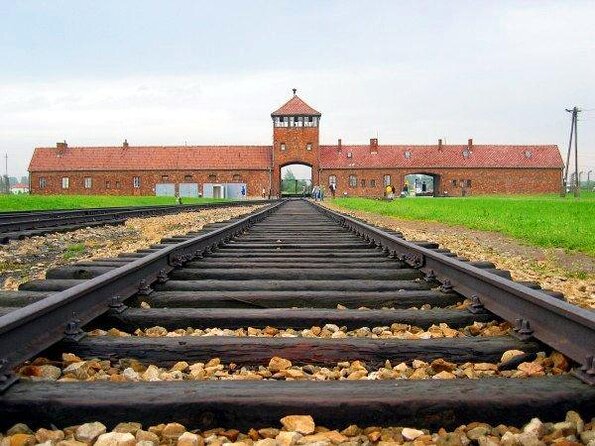
- Birkenau’s scale: you’ll visit the largest former Nazi concentration camp area.
- Dress and bag rules: there are strict limits on clothing and bag size, or entry can be refused.
Auschwitz-Birkenau from Krakow: what this tour really gives you
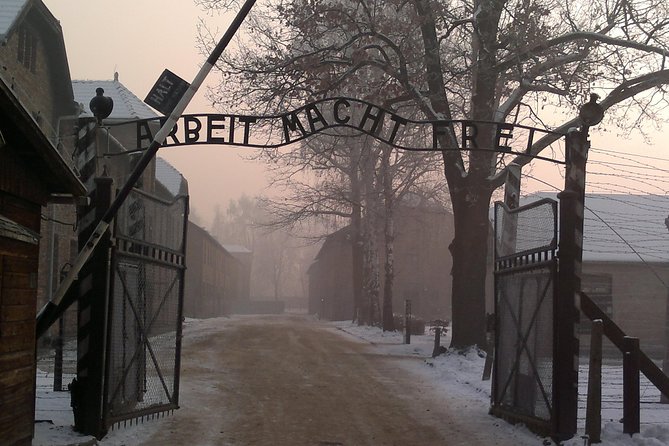
Auschwitz-Birkenau is the name many people associate with the worst crimes of World War II. But a memorial isn’t meant to be a “sightseeing stop.” It’s meant to educate and remember, and this tour is built for that purpose.
The value of this experience is that it’s not just transport plus tickets. You’re also getting a live, English-speaking group guide (Polish is available too). That matters because the site is vast and full of symbols and details you might not naturally connect. A good guide turns the walk into understanding.
You’ll start with the Auschwitz-Birkenau Memorial site and then focus on the areas that define the place. According to the experience outline, you’ll see the former gas chambers and barracks, and then you’ll visit the largest of the former Nazi concentration camps. That combination is what makes the visit so intense: you get both the machinery of mass murder and the scale of the system built to carry it out.
The drive from Krakow: simple, scheduled, and worth planning around
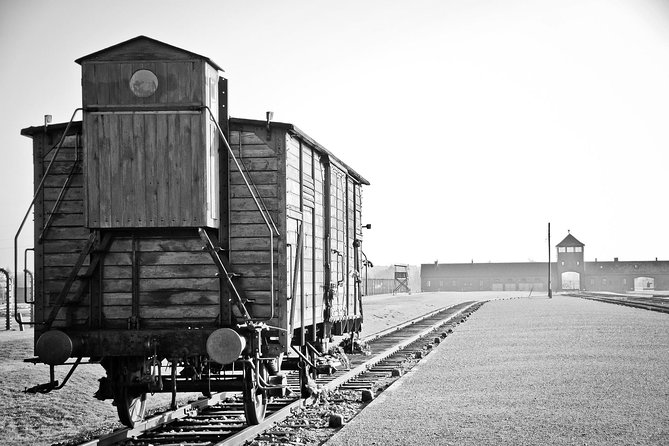
This is a round-trip transportation day, built to take the friction out of getting there. You’re picked up as part of the service, and you need to be ready about 5 minutes before departure. When you arrive, you’ll show your ticket to the driver.
Why the transport piece is a big deal: Auschwitz-Birkenau doesn’t feel like a casual detour. You’ll want your day to run on time so you can get your allocated entry and not waste energy arguing with logistics.
Also, the tour includes water, which is genuinely helpful on a day when you may be walking, standing, and absorbing a lot of information. Food isn’t included, though, so you’ll want to either eat before pickup or plan for a stop that fits your schedule once you’re back in Krakow.
Entering the memorial: rules that keep the visit respectful and smooth
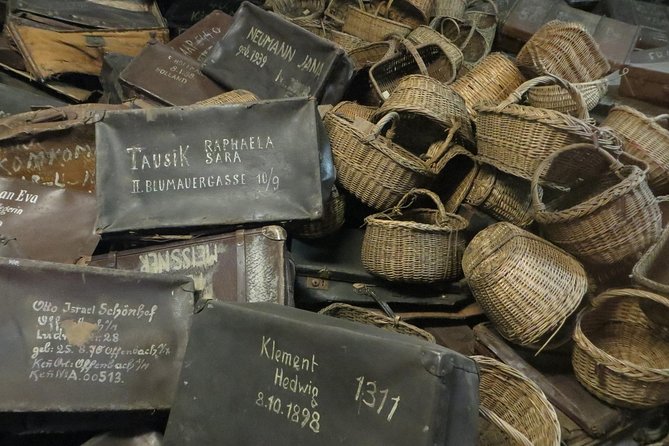
This tour comes with site-level rules you should take seriously. First, you need an ID card or passport. The booking also requires you to provide your full name and contact details, and your entry is tied to identity checks. If your name doesn’t match exactly what’s on your ID, entrance can be refused.
Next: clothing. No shorts and no sleeveless shirts. This isn’t about comfort fashion rules. It’s about keeping the memorial environment respectful for everyone in the group.
Bags are also limited. The maximum size listed is 30x20x10 cm. That’s small enough that you should pack like you’re doing a light city visit, not a long day hike. If you’re bringing extras, you may end up scrambling at the last minute.
If you want one more “make your life easier” move: bring your ID and the name exactly as you booked it. Save yourself the stress.
What you’ll learn about Auschwitz and the Holocaust before you get lost in the details
Auschwitz was built by the Nazis in 1940 in the suburbs of Oswiecim. During WWII, it became a central site of terror and murder. The numbers connected to the camp system are staggering: estimates put total deaths at over 1.1 million people, representing 28 nationalities, and nearly 90% of those killed were Jews.
The memorial is listed as a UNESCO World Heritage site since 1979, and walking the grounds is a way to understand history that can’t be reduced to a classroom page. Still, it’s easy to feel overwhelmed on your own. That’s why the guided portion is core to the tour.
Your guide’s job is to connect what you see—buildings, structures, and the preserved layout—to what happened there. You’ll get the story of how Auschwitz operated and why the Holocaust’s human impact was so systematic. If you’ve ever felt that Holocaust history is hard to picture, the structure of a guided visit helps your brain put the pieces together as you walk.
Former gas chambers and barracks: what to pay attention to on this stop
The highlights emphasize the former gas chambers and the barracks. These are the parts that most visitors recognize from history lessons and photos, and they’re also the parts that hit hardest emotionally.
Here’s what I’d focus on while you’re there:
- Listen for context, not just facts. The guide helps explain the camp’s purpose and how mass murder was implemented.
- Look at the layout and scale, since that’s part of how the site communicates its story.
- Use the pace to stay grounded. Even if the group keeps moving, you can still take mental notes of what the guide points out.
One useful mindset shift: treat this stop as learning in real time. You’re not “touring” architecture. You’re standing where history happened, and the memorial is designed to communicate that reality.
Also, be honest with yourself about emotions. This is not a place where most people feel fine after 10 minutes. Give yourself permission to feel unsettled.
Birkenau’s scale: why the largest camp area changes the whole experience
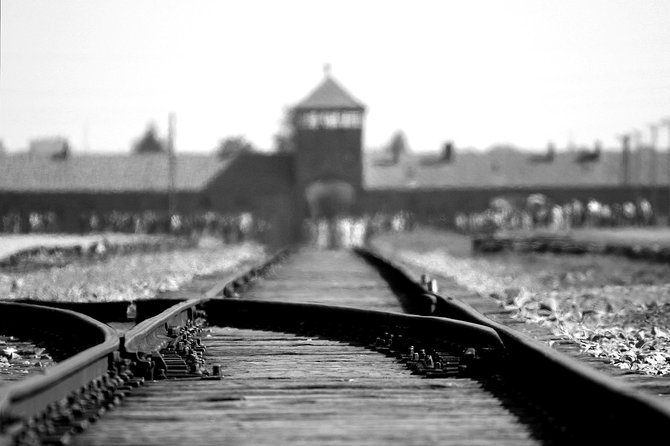
After Auschwitz’s most direct remnants, the tour includes visiting the largest former Nazi concentration camp. That part of the day is where the impact often clicks into a different form.
Scale does something specific to your understanding. When you see the size of the camp system, the cruelty stops feeling like a concept. It becomes a system that required vast space, organization, and continuous brutal labor.
The memorial is built so you can imagine the scale of the Holocaust and the horrible things that happened there. You’ll likely notice that the land itself seems to stretch further than your brain expects. That’s normal.
If you’re the type who needs structure to handle hard material, this is where the guide helps most. They’ll explain what the “big” parts were for and why the camp’s size mattered to the Nazis’ operations.
Group pace vs. private reflection: a fair heads-up
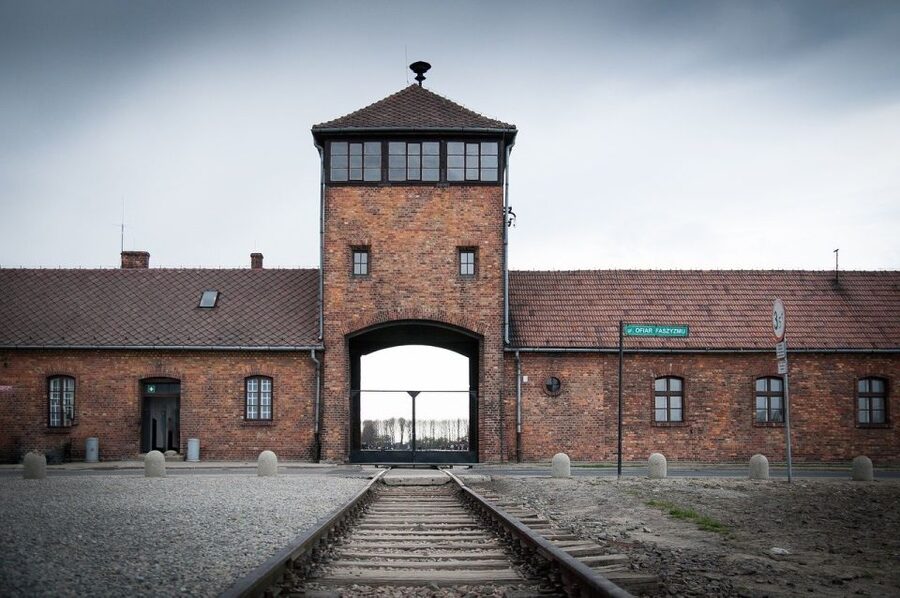
Some people want Auschwitz-Birkenau to unfold slowly, with lots of quiet time to process. This tour is a guided group experience, so it comes with a set rhythm. That’s not automatically bad—guides help keep the history accurate—but it does mean you may not have the freedom to linger wherever you feel moved.
If you’re sensitive to the feeling of being with many other people, plan accordingly. Bring your focus inward. You can still absorb what you’re seeing and listen carefully, even if you’re walking within a group flow.
And yes, the “rules and schedule” reality is part of the modern memorial visit. Entry timing is important because memorial visits depend on advance booking and organized access.
Price and value: is $92 per person fair for what you get?
At $92 per person for a 7-hour outing, this isn’t a cheap activity. But it also isn’t just a transfer and a ticket.
You’re paying for:
- Entrance tickets to the Auschwitz-Birkenau Memorial
- Guided group tour with a live guide (English and Polish options)
- Round-trip transportation from Krakow
- Water
The value here is the combination. A standalone ticket plus transport plus a meaningful guide would usually cost at least as much once you add time and hassle. You’re also buying the benefit of not having to coordinate multiple vendors on a day where timing matters.
One practical way to judge the price: think of it as paying for a day that runs on rails. You get history context, built-in logistics, and fewer points where things can go wrong. For most people, that’s worth it.
Transport and guide quality: what to expect from the human side
The tour depends on two human elements: the driver and the guide.
On at least some departures, people mention a driver named Viktor and a guide named Ediwina. That’s a good sign because a calm, competent driver keeps your day from starting badly, and a trained guide keeps the history clear and respectful.
What you should expect in general:
- The guide is live and works from the history of Auschwitz and the Holocaust.
- The experience is designed for group learning, not casual wandering.
- You’ll get enough structure that you’re not stuck trying to figure out what you’re looking at.
Still, keep your expectations realistic. This is not a private lecture with Q&A for hours. It’s a guided memorial visit in a group setting.
Who this Auschwitz-Birkenau day trip fits best
This tour is best for adults and older teens who want their visit grounded in explanation and clear context. It also suits anyone who’s short on time in Krakow and wants a complete, well-run day.
You should also know who it might not fit:
- It is not suitable for children under 14
- It is not suitable for people with mobility impairments
That doesn’t mean you can’t visit Auschwitz-Birkenau. It means this specific format, timing, and on-site movement may not be workable.
If you’re a history lover, a person affected by Holocaust remembrance, or someone who needs a guided structure to understand what the memorial is showing, you’ll likely appreciate the way this tour connects the story to the site.
Quick planning tips that make the day easier
Auschwitz-Birkenau day can be mentally heavy, and small prep wins add up.
- Bring your passport or ID and make sure the name matches your booking.
- Pack only a bag that fits the 30x20x10 cm limit.
- Wear sleeves that meet the memorial dress rules. Skip shorts and sleeveless tops.
- Bring your own phone charger if you use your phone for notes. The tour includes water, not power.
- Eat before you go. Food isn’t included.
Also, because the memorial’s guidelines changed in 2020, booking well in advance is strongly recommended to secure your ability to visit. If you’re thinking about “maybe later,” that’s the wrong strategy for this specific site.
Should you book this Auschwitz-Birkenau tour from Krakow?
Book it if you want a structured, respectful visit with a live, licensed guide, round-trip transport, and museum tickets already handled. At $92 for a 7-hour day, it’s a practical way to do the memorial without turning your trip into a logistics project.
Skip or reconsider if you need a lot of flexibility, private time, or if group pacing stresses you out. Also, if you’re traveling with anyone under 14, or if mobility needs are part of your plan, this format won’t work based on the stated suitability.
If you do book, treat it like what it is: a memorial visit. Show up with ID, pack light, dress appropriately, and let the guide’s explanations help you process what you’re seeing.
FAQ
How long is the Auschwitz-Birkenau Museum tour from Krakow?
The tour lasts 7 hours.
What does the price include?
It includes entrance tickets, a guided group tour with a live guide, round-trip transportation, and water.
Is food included?
No. Food or drinks are not included.
What language is the live guide?
The live guide is available in English and Polish.
Do I need a passport or ID?
Yes. You should bring passport or an ID card. Your name must match the name on your ID exactly.
What size bag can I bring?
The maximum luggage/bag/purse/backpack size is 30x20x10 cm.
Are shorts or sleeveless shirts allowed?
No. Shorts and sleeveless shirts are not allowed.
Is the tour refundable?
No. This activity is non-refundable.
Is this tour suitable for kids or limited mobility?
It is not suitable for children under 14 and not suitable for people with mobility impairments.