REVIEW · MUSEUM OF ANCIENT GREEK TECHNOLOGY
Athens: Kotsanas Museum of Ancient Greek Technology Ticket
Book on GetYourGuide →Operated by Kotsanas Museum · Bookable on GetYourGuide
You’re about to see ancient tech actually move.
The Kotsanas Museum of Ancient Greek Technology turns the usual history museum format on its head by showing roughly 100 operating models of inventions from Ancient Greece, including computing and automata ideas you’d swear came from a modern lab.
I especially love the hands-on feeling: many exhibits are interactive, and you can put mechanisms into use with your own hands. I also like the way the museum makes the tech understandable, with audio-visual stations, diagrams, photos, and labels in English and Greek.
One thing to consider: this is a self-guided ticket. There’s no guided tour included, so if you want deeper storytelling or context beyond the exhibit explanations, you’ll be relying on the on-site materials.
In This Review
- Key highlights to look for
- Athens’ Kotsanas Museum turns ancient gadgets into live machines
- Where it is in Athens (and why the location matters)
- The museum experience: 700 square meters of working invention models
- Hands-on interactive displays: put the mechanisms to work
- The analog computer and the Antikythera-style idea of calculation
- Robots, automata, and the Philon and Heron machines
- Hydraulic timing with Ktesibios and why clocks are a big deal
- How the museum explains everything: Greek and English media that don’t waste time
- Price and value: $7.90 for a full self-paced tech museum day
- What to do in your visit: a simple plan that keeps it fun
- Who this is for (and who might want a different kind of Athens day)
- Should you book the Kotsanas Museum ticket in Athens?
- FAQ
- Where is the Kotsanas Museum of Ancient Greek Technology?
- How long is the ticket valid?
- Is a guided tour included with the ticket?
- What language are the museum materials in?
- Is the museum wheelchair accessible?
- Are food and drinks allowed inside?
Key highlights to look for
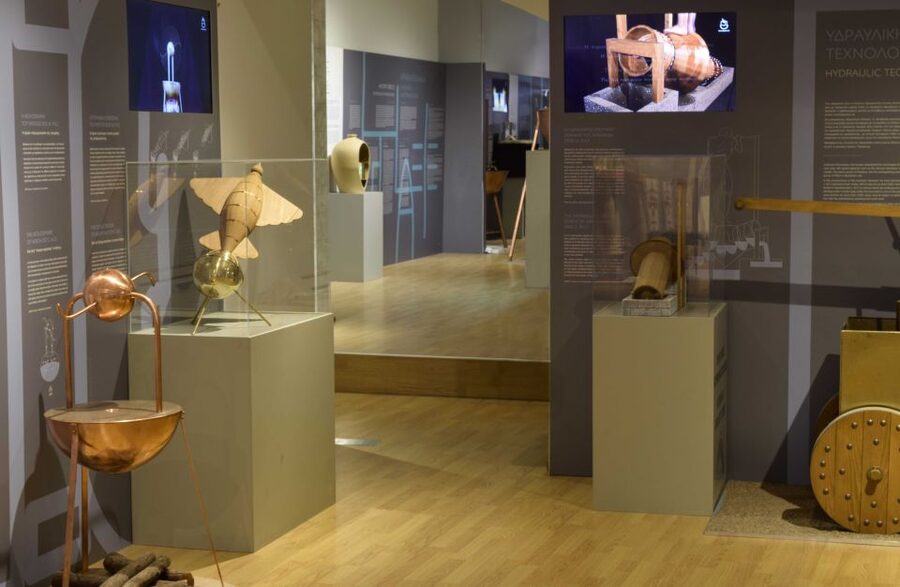
- About 100 operating models: you’re not just looking at artifacts, you’re watching ideas work.
- Ancient computing moments: the museum includes an exhibit of the oldest analog computer in the world.
- Mechanical “wow” from famous names: you’ll see inventions credited to figures like Philon, Heron, Ktesibios, and the Antikythera team.
- Interactive stations: many displays invite you to handle mechanisms and test how they function.
- Built for reading and watching: explanatory diagrams, audio-visual media, and documentary-style explanations come with the exhibits.
- A specific Athens setting: it’s in a unique Art Nouveau building with about 700 square meters of space to explore.
Athens’ Kotsanas Museum turns ancient gadgets into live machines
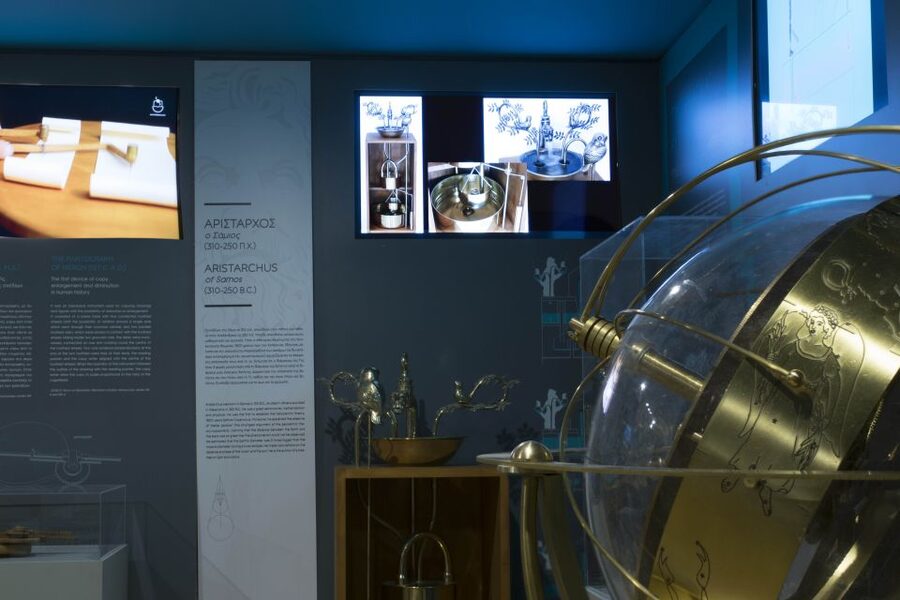
If you think history museums are mostly about staring and walking quietly, this one changes the vibe fast. The Kotsanas Museum of Ancient Greek Technology is built around function, not just decoration. You walk in and you start seeing mechanisms do what they were designed to do—spin, calculate, and demonstrate systems that link ancient craftsmanship to ideas that feel familiar.
That’s the core appeal. You’re learning about The Hi-Tech Inventions of Ancient Greeks, but the museum’s real trick is the comparison: you notice how much the logic of these devices resembles early forms of modern tech. It’s one thing to hear claims that ancient Greeks were inventive. It’s another thing to stand in front of an operating machine and feel your brain connect the dots.
And the setting helps. The museum sits in a distinctive Art Nouveau building, which makes the whole visit feel like a workshop tucked inside Athens—not a generic box of displays.
Where it is in Athens (and why the location matters)
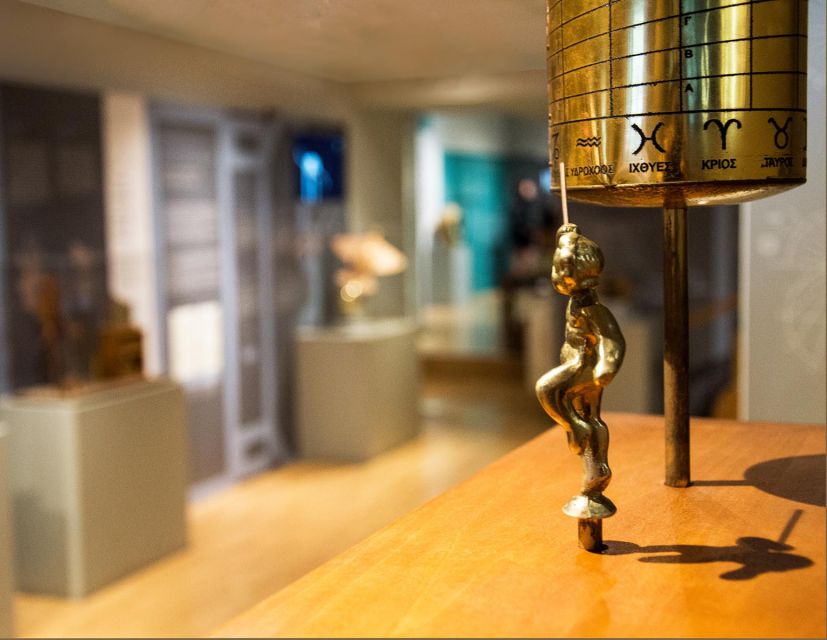
The museum is very easy to reach on foot. It’s about 5 minutes from Syntagma Metro Station, and the address is Pindarou 6, Athina 106 71, Greece.
Why I think that matters: you can fit this between sightseeing blocks without fighting transit schedules. If you’re already around the Syntagma area, it’s a clean add-on. If you’re planning a day focused on Athens’ major landmarks, this gives you a different kind of stop—more brainy, more hands-on.
Also, because this is a self-paced museum visit, a nearby location is a plus. You can arrive, set your own pace, and come back out without coordinating with a group tour timeline.
The museum experience: 700 square meters of working invention models
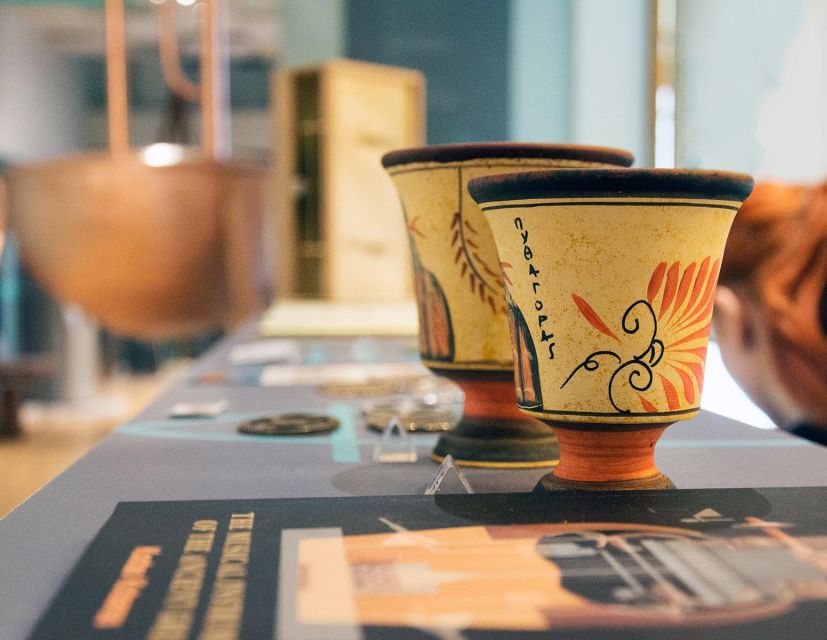
The Kotsanas Museum covers around 700 square meters, and it’s organized around about 100 selected exhibits. That number is part of the value. You’re getting variety—different kinds of mechanical thinking—without needing a huge multi-day commitment.
The exhibition focuses on Ancient Greece’s technology through working models. The museum includes inventions associated with well-known names in Greek engineering and science, such as:
- the robot-servant
- the cinema concept of Philon
- the automotive-puppet show of Heron
- the hydraulic clock of Ktesibios
- the Antikythera calculating mechanism
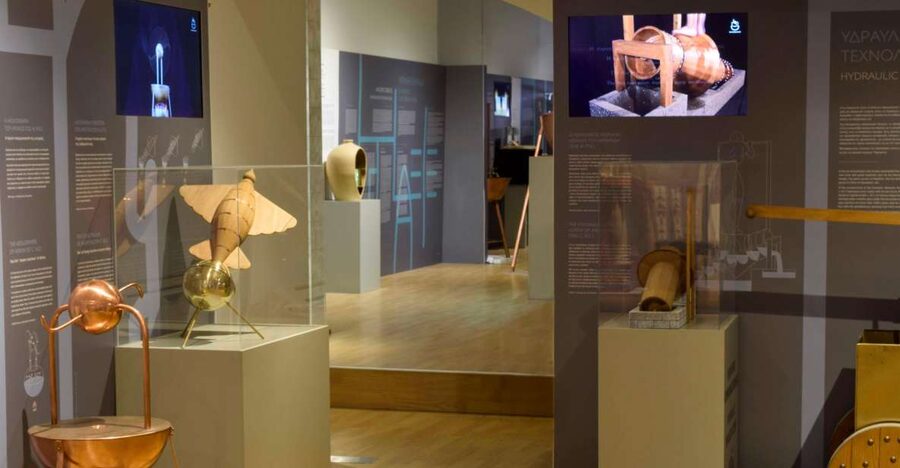
Even if you’ve never studied any of these terms before, the displays are meant to make the mechanisms readable. You’ll see rich audio-visual material (in Greek and English), explanatory labels, and big poster boards with diagrams and supporting references.
My advice: don’t rush to see everything. In a museum like this, the point is to understand what you’re looking at while it’s running or while you’re interacting with it. Pick a few exhibits early that sound like your kind of curiosity—computing, timing, automata—and use them as anchors. Then fill in the rest as your interest draws you.
Hands-on interactive displays: put the mechanisms to work
A lot of museums tell you how something works. This one tries to let you feel it.
Many of the exhibits are interactive, and the museum even has projecting stations where video and animation explain functions. There are also documentaries where the exhibitor explains how mechanisms work and how you should use them.
Here’s what I’d call the practical payoff: interactive displays help you stop treating technology as a museum object. Instead of seeing a mechanism as a distant achievement, you treat it like a system you can operate. That makes the experience stick.
A smart way to approach the hands-on exhibits:
- Go slowly enough that you notice what changes when you adjust something.
- If an exhibit comes with diagrams or instructions, spend a minute reading first. Then try it.
- When something seems confusing, don’t assume you’re missing the point. Some ancient mechanisms rely on sequences and timing that aren’t obvious at a glance.
One consideration, though: this isn’t described as a guided workshop. If you want step-by-step coaching or personalized explanations, you’ll need to lean on the exhibit media and labels rather than a human guide.
The analog computer and the Antikythera-style idea of calculation
One of the biggest promised “wow” points is the museum’s exhibit of the oldest analog computer in the world. Even if you don’t know what analog computing means in detail, this is the kind of statement that signals how technical the museum gets.
The museum also includes the Antikythera calculating mechanism, and that’s important because it frames the whole visit. These devices weren’t calculators in the modern sense, but they were designed to represent relationships—cycles, positions, and computations—through mechanical form.
What you’ll likely notice as you move through the exhibits is that the Greeks weren’t just building clever toys. They were building tools for understanding the world. When you see a calculating or scheduling mechanism operate, it reframes ancient technology in your head. It turns into engineering, not legend.
If you’re the type who likes STEM, you’ll probably enjoy spending extra time here. If you’re more into storytelling, you can still get value because the exhibit media and diagrams are there to translate how the machine’s parts connect.
Just keep expectations grounded: you’re looking at models and mechanisms shown by the museum. The payoff comes from watching them work and reading how they’re designed to function.
Robots, automata, and the Philon and Heron machines
Ancient Greece also shows up here in the playful side of technology: automata and mechanical display concepts.
The museum includes:
- the robot-servant,
- the cinema concept of Philon,
- the automotive-puppet show of Heron.
These kinds of exhibits are great because they sit at the intersection of engineering and performance. They also make the whole “Ancient Greeks were advanced” argument feel less abstract. You see the mechanism idea in a form that feels immediate and even entertaining.
I like these exhibits because they’re a mental reset. After spending time on clocks, hydraulic systems, or calculation, automata-style inventions remind you that the same mechanical logic can create something theatrical.
If you like interactive parts, these are also often the displays where your curiosity kicks in first. You’ll see gears and linkages doing purposeful work—sometimes in ways that look almost like a stage trick.
Hydraulic timing with Ktesibios and why clocks are a big deal
Another anchor exhibit category involves Ktesibios and the hydraulic clock.
Clocks are a big deal in any era because timing is practical. It’s the backbone of coordination, measurement, and systems that depend on intervals. A hydraulic clock also signals something else: Greek engineering wasn’t limited to one type of invention. They were working with fluid dynamics, mechanisms, and control methods.
In the context of this museum, it’s valuable because it rounds out your mental picture. You see calculation, automata, and timekeeping—different flavors of technology tied together by mechanical design.
If you find yourself gravitating toward one theme—say, anything with motion—give the timing exhibits a fair chance. They can look simple at first, but when the mechanism operates, you get the logic.
How the museum explains everything: Greek and English media that don’t waste time
The museum’s explanation layer is one of the reasons this visit works for different learning styles.
Exhibits come with:
- audio-visual material in Greek and English
- explanatory labels
- large poster boards with lots of information
- detailed diagrams, photos, and complete bibliographical references
- projecting stations with video and animation
- documentaries where the exhibitor explains function and use of the mechanisms
That’s a lot of support, and it matters. When you’re dealing with machines, it’s easy to get lost if you can’t connect parts to function. Here, you have multiple ways to orient yourself—text, visuals, and moving media.
Practical tip: when you’re standing in front of an operating display, give yourself one minute to locate what the museum wants you to focus on. Then watch. After that, read the label or check the diagram. This order helps your brain connect the moving machine to the explanation.
Also, since the museum offers English, you won’t be forced into guessing. Still, because Greek is included too, you might see bilingual signage that helps reinforce terms if you’re learning.
Price and value: $7.90 for a full self-paced tech museum day
At $7.90 per person, this ticket price is strikingly reasonable for the type of experience. You’re paying for entry into a museum space that includes around 100 operating models, many interactive exhibits, and an explanation system that includes audio-visual media and diagrams.
You’re also not paying for a guided tour. That keeps the price lower, but it changes how you should plan. Since you’re self-guided, your value comes from how willing you are to read labels, watch animations, and follow exhibit instructions.
So the real question isn’t just whether it costs $7.90. It’s whether you’ll spend your time well. If you enjoy:
- hands-on museum experiences,
- mechanical devices and how they work,
- tech history that feels practical,
then this ticket is a good deal.
One scheduling consideration: the ticket is valid 1 day. That flexibility helps because you can pair it with other Athens plans. You don’t need an exact time-slot strategy based on the ticket alone—just show up when you have enough energy to concentrate.
What to do in your visit: a simple plan that keeps it fun
Because the museum is self-paced, I recommend a rhythm that balances curiosity with focus:
1) Start with the big overview exhibits and any audio-visual introduction.
This gets you the vocabulary so later models make more sense.
2) Pick 2 to 3 “wow” categories and go deep.
For many people, that’s the analog computer, Antikythera-style calculation, hydraulic timing, or automata.
3) Save the interactive exhibits for when you’re fully switched on.
Hands-on displays feel better after you’ve seen how the museum frames the tech.
4) Finish by walking slower through what you didn’t choose first.
This is where you often catch the connections you missed earlier.
A drawback you might feel if you’re short on time: with so many exhibits, it’s easy to skim. If you skim, the experience turns into a list of devices. If you slow down, you get the real point—how mechanical ideas can look both old and surprisingly familiar.
Who this is for (and who might want a different kind of Athens day)
This museum is a great match if you’re curious about how technology evolves. You’ll likely enjoy it if you like:
- science and engineering themes,
- mechanical systems,
- interactive learning,
- museums that explain instead of just display.
It may not be the best fit if you want a classic sightseeing day packed with outdoor views and monuments. This stop is indoor, concentrated, and more mental than scenic.
It also suits couples, solo travelers, and small groups who don’t need a guided narrative. The English-friendly materials help too.
Should you book the Kotsanas Museum ticket in Athens?
Yes—if you want a different side of Athens that connects ancient engineering to how modern tech thinks. For $7.90, you’re getting a lot of physical demonstration: operating models, interactive exhibits, and English and Greek explanations in a manageable 1-day visit.
Skip it only if you strongly prefer guided tours or you don’t enjoy reading diagrams and watching mechanisms. Since there’s no guided tour included, you’ll get the best result if you’re willing to explore on your own using the exhibit media.
FAQ
Where is the Kotsanas Museum of Ancient Greek Technology?
The museum is at Pindarou 6, Athina 106 71, Greece, about 5 minutes walking from Syntagma Metro Station.
How long is the ticket valid?
The ticket is valid for 1 day. Starting times depend on availability.
Is a guided tour included with the ticket?
No. The ticket includes entry only. A guided tour is not included.
What language are the museum materials in?
The museum provides audio-visual material and explanations in Greek and English, and the host or greeter is listed as English.
Is the museum wheelchair accessible?
Yes, the activity is wheelchair accessible.
Are food and drinks allowed inside?
No. Food and drinks are not allowed.