REVIEW · ASTANA
Astana: Back to USSR – Gulag Museum with Certified Guide
Book on GetYourGuide →Operated by Astana Horizons · Bookable on GetYourGuide
Astana’s old Soviet echoes are easier to grasp here, in person, and with a real guide. This one-day trip from Nur-Sultan takes you into KarLag Museum with an English-speaking professional guide, then rolls you through Karaganda’s Soviet-era monuments like Gagarin’s Monument and the city’s grand theater buildings. I also like how the day mixes heavy history with a practical pace, including a traditional Russian lunch that keeps you fueled without turning the meal into a detour.
One thing to keep in mind: the KarLag exhibits can be emotionally intense, and the day includes a several-hour road journey each way across winter conditions (when snow and ice are on the menu). Also, it’s not set up for wheelchair users, and it’s not recommended for very young kids (under 4).
In This Review
- Key highlights you’ll actually feel during the day
- The drive from Nur-Sultan to Karaganda: time, comfort, and winter reality
- Soviet Karaganda: monuments, coal-mining traces, and big public architecture
- KarLag Museum with an English-speaking guide: making the Gulag concrete
- Photography and equipment: phones are fine, professional gear may cost extra
- Emotional intensity: go in with your expectations set
- Russian lunch in Karaganda: included, local, and easy on the schedule
- City sights after lunch: a calmer way to process what you saw
- Guides and private-group flow: why the day feels well put together
- Price in context: what you’re really paying for at $169
- Who should book this Gulag Museum day trip, and who should skip it
- Should you book Astana Horizons’ Back to USSR tour?
- FAQ
- How long is the tour?
- Where does pickup happen?
- What is included in the price?
- What languages are offered?
- Can I take photos at the KarLag Museum?
- Is the content at the KarLag Museum suitable for children?
- Can you accommodate dietary restrictions for lunch?
Key highlights you’ll actually feel during the day
- Certified English-speaking museum time at KarLag, not just a quick walk-through
- Soviet Karaganda photo stops (including Gagarin’s Monument) that explain what you’re seeing
- A guided lunch break with traditional Russian food in a local restaurant
- Comfort-focused round-trip transport from Astana with high satisfaction ratings
- Phone photography is allowed; only professional camera use may cost extra at the museum
The drive from Nur-Sultan to Karaganda: time, comfort, and winter reality
The trip is built for a full day: you leave Astana (Nur-Sultan) in the morning and head to Karaganda, a city in Kazakhstan’s central steppe region. Expect about 2.5 to 3 hours on the road one way, depending on conditions. In winter, that drive can mean icy, snowy stretches, so it helps that the transport here is repeatedly praised for getting people there safely and comfortably.
What I like about this setup is that the travel time is not “dead time.” Your guide uses the ride to explain what you’ll be seeing next. In one case, Leon was specifically mentioned as a caring guide/driver who made the drive feel safe and informative, even with difficult weather. That matters on a long day trip because it keeps your brain in “learning mode,” not just “survive-the-drive mode.”
Soviet Karaganda: monuments, coal-mining traces, and big public architecture
Karaganda isn’t just a background to the museum. The city itself is part of the story. Long before you reach the camp memorial, you’ll get orientation through Soviet-era landmarks and the kinds of monuments that reflect industry, ideology, and national pride.
During the Karaganda portion of the day, you’ll do a mix of:
- Photo stops for standout Soviet monuments
- A guided walk/visit window where your guide connects the architecture and statues to the city’s coal-mining past and Soviet planning
Gagarin’s Monument is called out as a key stop, and other Soviet-era features show up in people’s descriptions too—statues like Lenin, reminders of coal mining, and monuments connected to cosmonauts. The city’s theater buildings also get mentioned as part of the USSR-era monumental architecture you can still read today.
The practical advantage here is clarity. Without a guide, you might see lots of statues and buildings and wonder why they were placed there. With a guide, you get the “what this means” layer while you’re standing right in front of it.
KarLag Museum with an English-speaking guide: making the Gulag concrete
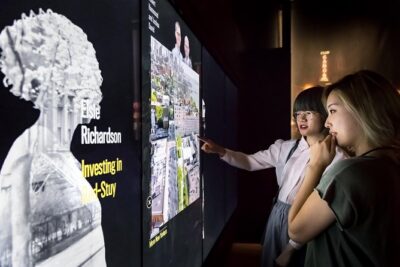
The main event is the KarLag Museum, about 35 km from Karaganda. You’ll spend around 2 hours there with a guided tour. This is not framed as a casual history stop. The museum’s job is memorial and education, so it brings you face-to-face with the machinery of repression and the human consequences of it.
In particular, the museum visit is where many people feel the experience most strongly, and it’s also where the guide quality matters most. A museum guide named Maria is praised for giving detailed, well-researched information and for answering even tricky questions. Amir is also mentioned as a museum guide with strong command of the subject.
Here are the kinds of things that show up in the tour experience:
- The camp’s role as an administrative center for forced labor
- Exhibits that explain the harsh realities prisoners faced
- The broader impact of political repression linked to Soviet policy
- A look at ethnic minorities deported by Stalin, including groups such as Koreans, Chechens, Germans, Tatars, and Kalmyks (these are specifically named in the tour feedback)
That list isn’t just trivia. It’s part of how you understand the Gulag system as a political instrument, not only a set of individual tragedies. Even if the material feels heavy, this guided structure can help you connect details into a bigger picture.
Photography and equipment: phones are fine, professional gear may cost extra
Before you go, plan around the museum’s camera policy. The museum charges an additional fee for professional cameras, but phones and personal photography are allowed with no extra cost. If you’re serious about photography and bringing larger equipment, check ahead so you don’t get surprised once you arrive.
Emotional intensity: go in with your expectations set
The tour information explicitly warns that the exhibits may be emotionally intense. I’d treat this as a “bring your steady self” day. If you’re sensitive to topics around political persecution, suffering, or forced labor, consider how you prefer to handle difficult history. The guided format helps, but you should still be mentally prepared.
Russian lunch in Karaganda: included, local, and easy on the schedule
After the museum, you’ll have time for lunch in Karaganda—about 50 minutes. This isn’t a generic meal stop. The tour includes a traditional Russian lunch, and specific restaurant feedback points to “Three Bears” as a positive option for food and atmosphere.
From a value perspective, lunch being included is a big deal on a day trip like this. Otherwise you’d be trying to find something close to the right locations while managing time. With lunch slotted into the schedule, you can eat without sprinting.
Food notes you can count on from the feedback:
- Traditional Russian dishes are a highlight
- The restaurant choice tends to be well-liked for both food and setting
If you have dietary restrictions or allergies, tell the operator in advance so they can accommodate what they can. The tour data says they’ll adjust lunch based on what you share ahead of time.
City sights after lunch: a calmer way to process what you saw
Once you’ve spent time at KarLag, the later part of the day can feel like a mental reset—if you let it. You’ll do more Karaganda sightseeing with photo stops and additional guided time, typically around 1.5 hours.
This sequencing works for me because it balances two different modes:
- First you learn the painful system and the scope of repression
- Then you look at Soviet-era public life—statues, monuments, and architecture—through a slightly different lens
It can also help you notice contrasts. You’ll see monuments built in the same ideological world that produced forced-labor policies. Even if you don’t want that comparison, you’ll feel it simply by experiencing both halves of the story in one day.
Guides and private-group flow: why the day feels well put together
This is a private group tour, and the difference shows up in how the day runs. With private pacing, your guide can answer questions at the museum without rushing the conversation into a tight group schedule. It also helps on the road when conditions shift, because the plan stays flexible enough to keep the day smooth.
What comes through repeatedly in the feedback is guide quality and responsiveness:
- Guides are praised for being punctual and easy to communicate with
- Museum guides are praised for giving detailed explanations and answering questions
- Driver/guides are praised for making the drive feel safe, especially in snow
Names that show up across the feedback include Leon, Abzal, Amir, Maria, Bekzat, Zhalgas, Kadyrbek, Sultan, and Nursultan. You won’t necessarily get the exact same people, but it’s a good sign that the operator’s team tends to be strong across roles—guide at the museum, guide/driver on the road, and the person coordinating pickup and timing.
One small but useful detail: the tour includes bottled water and entry tickets to the KarLag Museum, plus the convenience of skipping the ticket line.
Price in context: what you’re really paying for at $169
At $169 per person for a one-day trip, you’re not paying only for museum entry. You’re paying for the full logistics and the interpretation layer that makes a difficult topic easier to understand.
Here’s what that price covers (per the tour details):
- Pickup and drop-off from Astana (Nur-Sultan)
- An English/Russian live tour guide
- Transport for the day with high satisfaction ratings
- KarLag Museum entry plus skip-the-line convenience
- Traditional Russian lunch
- Bottled water
For many people, the value is in the combination:
- The drive is long enough that self-planning gets annoying
- The museum visit is more meaningful with a strong guide
- Lunch being included prevents the “where do we eat now” problem
If you’re the type who hates rushing and wants someone else to handle the timing, this kind of all-in day trip usually feels fair. If you’re the type who prefers building your own route and talking to locals only when you feel like it, you might feel the price is less necessary. Either way, it’s priced around convenience plus guided learning.
Who should book this Gulag Museum day trip, and who should skip it
This tour makes the most sense if you:
- Want a guided, English-friendly visit to KarLag Museum
- Care about understanding how Soviet rule shaped Kazakhstan’s 20th-century story
- Prefer a structured day rather than handling transport and timing on your own
- Enjoy Soviet-era city architecture and monuments enough to want stops beyond the museum
It may not be the best choice if:
- You’re not comfortable with emotionally intense subject matter related to forced labor and political repression
- You need wheelchair-friendly access (the tour isn’t suitable for wheelchair users)
- You’re traveling with a very young child (not suitable for children under 4)
- You need professional camera support without possible extra museum fees (personal phone cameras are fine; professional equipment may cost extra)
Should you book Astana Horizons’ Back to USSR tour?
I’d book it if you want one day in Kazakhstan that actually feels like you learned something real, not just “saw places.” The museum portion is guided, the city stops have meaning, and the included lunch keeps you from turning the day into a logistics puzzle.
Skip it if you’re looking for a light, entertainment-first day. This is history with weight, and it doesn’t hide that fact. But if you can handle serious content and you like the idea of Karaganda’s Soviet landmarks paired with a structured Gulag memorial visit, this is a strong fit.
If you’re deciding last-minute, also think about timing. The tour is listed as a 1-day experience with pickup from Nur-Sultan, and spots are limited, so booking ahead usually makes life easier.
FAQ
How long is the tour?
The tour lasts 1 day, with a guided visit at KarLag Museum plus time for lunch and sightseeing in Karaganda.
Where does pickup happen?
Pickup and drop-off are from Astana (Nur-Sultan). You provide your hotel or accommodation location details when booking.
What is included in the price?
It includes a live tour guide, pickup/drop-off from Astana, traditional Russian lunch, bottled water, KarLag Museum entry tickets, and bottled water (plus skip-the-ticket-line entry).
What languages are offered?
The tour provides a live guide in English and Russian.
Can I take photos at the KarLag Museum?
Yes. Phones and personal photography are allowed at no extra cost. The museum charges an additional fee for professional cameras.
Is the content at the KarLag Museum suitable for children?
The tour is not suitable for children under 4 years. The museum exhibits may be emotionally intense, so consider the age and sensitivity of children before booking.
Can you accommodate dietary restrictions for lunch?
If you tell the operator about dietary restrictions or allergies in advance, they say they can accommodate you for the lunch.