
REVIEW · RIJKSMUSEUM
Amsterdam: Rijksmuseum Guided Tour and Ticket
Book on GetYourGuide →Operated by 360 Amsterdam · Bookable on GetYourGuide
Big art hits fast. This guided Rijksmuseum tour turns Dutch Golden Age paintings into a story you can actually follow, with a focus on Rembrandt and a smart path through the museum’s permanent collection. I especially like that you get to see The Nightwatch at full scale and leave with a clearer sense of what fueled the art boom in the New Dutch Republic. One heads-up: the tour is tight (2 hours), and the museum’s time slots are strict, so you can’t join once your start time has passed.
You meet at Cobra Café at Museumplein, right next to the Rijksmuseum, and your guide has your ticket ready so you can get moving quickly. In many groups, you’ll hear the guide clearly thanks to headset support, and the tour style is built around showing you a handful of masterpieces up close, not trying to “cover everything.”
Afterward, your ticket is valid all day, so you can keep going on your own through the museum’s 8,000 works at your pace. The main downside is practical: no large bags or umbrellas inside, plus some rooms have a restricted right to speak—your guide will point it out before you enter.
In This Review
- Key highlights to look forward to
- Cobra Café meeting point and how the tour actually moves
- What you’ll see: Rembrandt, the Dutch Golden Age, and the museum’s best-known anchors
- The Nightwatch and Rembrandt’s big-scale storytelling
- Rembrandt portraits: faces, status, and character
- Ferdinand Bol’s self-portrait
- Jan Steen family interiors, plus the “Dutch home” side of art
- Delftware and the appeal of collectible everyday objects
- 17th-century dolls houses: tiny rooms with big ambition
- The Pierre Cuypers Library
- The New Dutch Republic: how the guide connects paintings to power and money
- Portrait viewing that doesn’t waste your time
- Beyond paintings: Delftware, dolls houses, and domestic interiors
- The Cuypers Library moment and the tone shift inside the Rijksmuseum
- Practical stuff that can make or break your visit: bags, umbrellas, and timing
- Bag rules
- Strict time slots
- Restricted right to speak in some rooms
- Artwork may not be on display
- Price and value: is $78 worth it?
- Who should book this tour, and who should skip it
- Should you book the Rijksmuseum guided tour?
- FAQ
- Where do I meet for the tour?
- How long is the guided tour?
- What’s included in the $78 price?
- Is the ticket valid after the tour ends?
- What items should I bring or avoid?
- What if I arrive late to the start time?
Key highlights to look forward to
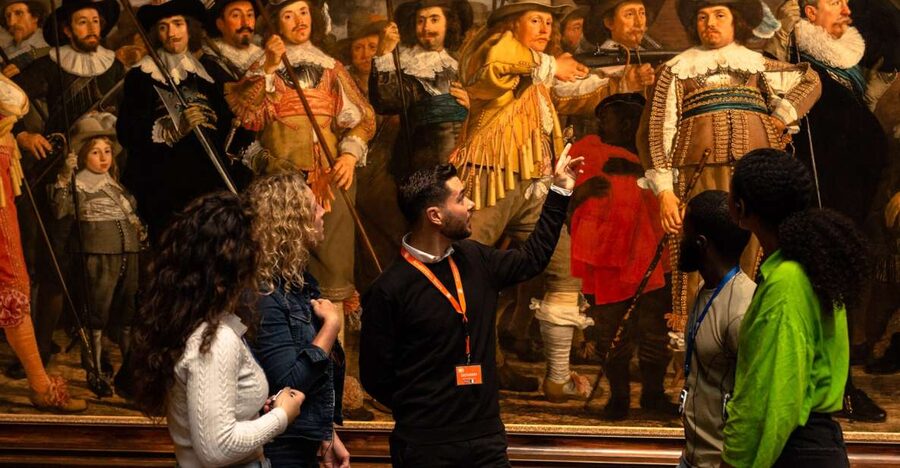
- The Nightwatch up close, with context that explains why it mattered
- Rembrandt portraits plus thoughtful attention to details you’d likely miss alone
- Ferdinand Bol’s self-portrait, singled out as a standout along the route
- Dutch Golden Age “everyday luxury” like Delftware and 17th-century dolls houses
- A guided walk that often keeps groups on track with the museum’s size and crowding
- You get all-day entry after the 2-hour tour, so the ticket keeps paying off
Cobra Café meeting point and how the tour actually moves
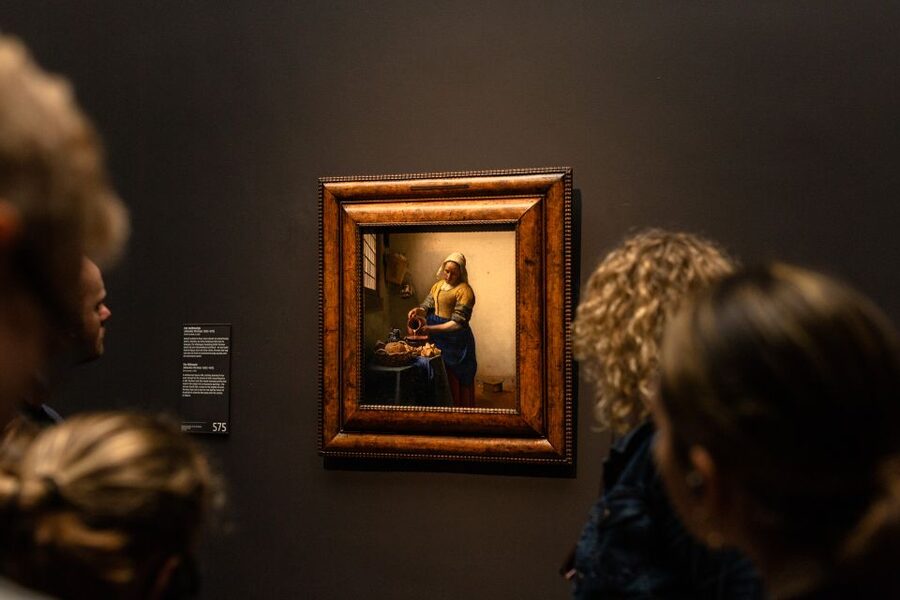
This tour is designed to reduce your Rijksmuseum stress. You start at Cobra Café, at Museumplein beside the museum, and you meet your guide there before walking into the galleries. Because your guide has your entrance ticket ready, you’re not stuck hunting for tickets while the clock runs down.
Timing is key. Rijksmuseum uses time slots, and once your tour start time passes, your entrance ticket effectively becomes unusable for that tour moment. That means you should arrive a bit early, especially if you’re coming from somewhere across Museumplein or if you need extra time to deal with bags.
Inside, expect a steady pace. The Rijksmuseum is huge, and even with a guide, your 2 hours are best used for “high impact first.” The way the route is set up usually helps you see major works without getting lost in the museum maze.
One more practical note: the museum doesn’t allow oversize luggage and doesn’t want umbrellas inside. Only small, thin backpacks or handbags are allowed. If you’re traveling light, great. If you’re not, this is the kind of tour where being prepared makes the experience much more enjoyable.
What you’ll see: Rembrandt, the Dutch Golden Age, and the museum’s best-known anchors
This tour is built around the idea that art in the Dutch Golden Age wasn’t just pretty—someone was paying for it, collecting it, and hanging it in homes and civic spaces. Your guide connects the paintings to the time period, including how a strong middle-class market helped drive what got made and what survived.
Here are the core stops you should expect to spend time with:
The Nightwatch and Rembrandt’s big-scale storytelling
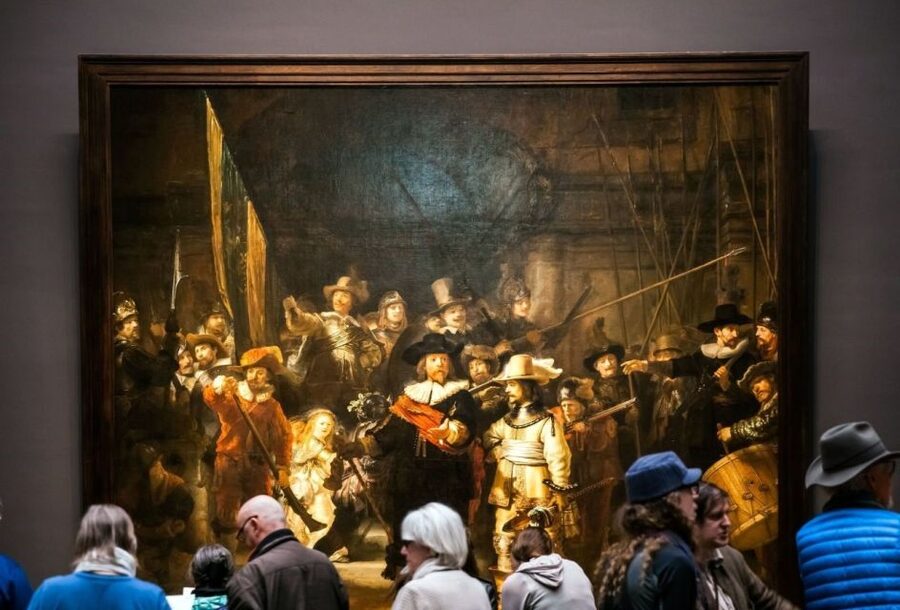
The star is The Nightwatch, Rembrandt’s masterpiece. The Rijksmuseum is famous for bringing you face-to-face with its scale, and the guide’s job is to help you see beyond the obvious. You’ll also learn how Rembrandt’s approach and the painting’s social meaning fit into a larger cultural shift.
If you only think of Rembrandt as a portrait artist, this is the moment that reframes him as a painter of public identity—paint that speaks to power, civic pride, and who gets seen.
Rembrandt portraits: faces, status, and character
The route also highlights Rembrandt’s portraits, including multiple works. What I like about guided portrait viewing is that you don’t just get the artist name—you get help noticing how expression and composition communicate something about the person being portrayed.
Guides on this tour tend to point out small choices in lighting, pose, and details, the kind of things you’d breeze past if you’re walking on your own.
Ferdinand Bol’s self-portrait
You’ll also see Ferdinand Bol’s self-portrait. Bol worked in the Rembrandt orbit, but his self-portraits help you notice how artists shape identity differently—even when they share a common artistic environment. It’s a nice contrast stop that keeps the tour from becoming one-style-only.
Jan Steen family interiors, plus the “Dutch home” side of art
The highlight list includes Jan Steen’s family interiors. That’s important because Steen gives you domestic theater: family life, humor, and the messy warmth of real rooms. If you’re used to thinking of the Golden Age as all solemn portraits and stern officials, Steen adds texture.
Delftware and the appeal of collectible everyday objects
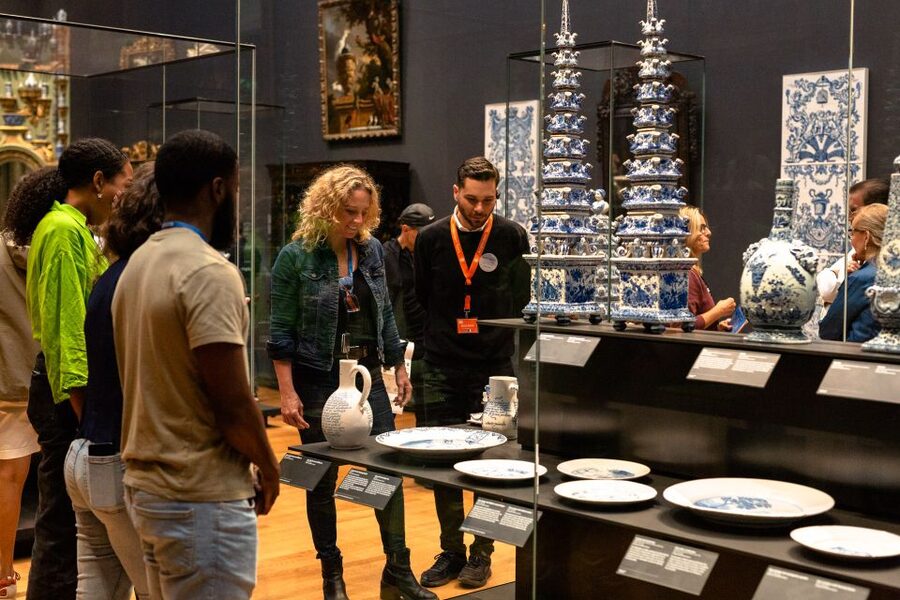
You’ll also spend time on 7th Century Delftware (as listed for this tour). Even if you’re not a decorative-arts specialist, guided viewing helps you understand why certain objects became such big deals in the market—ceramics as both utility and identity.
17th-century dolls houses: tiny rooms with big ambition
Don’t skip this stop if you get even a little curious about how people lived. The tour includes 17th-century dolls houses, which are fascinating because they mirror real design, crafts, and status cues in miniature. It’s an easy way to connect “museum art” to “what daily life looked like.”
The Pierre Cuypers Library
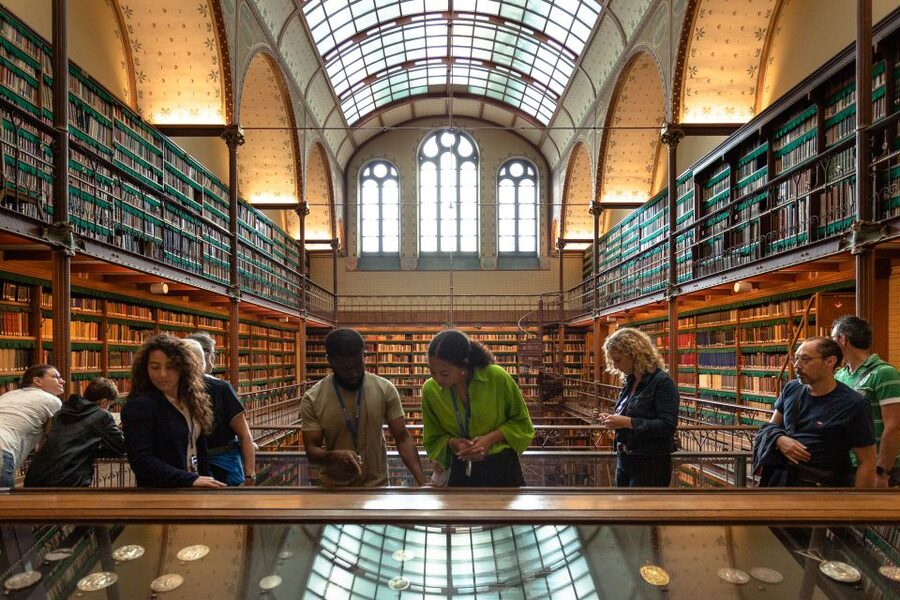
Finally, the tour points you toward the Pierre Cuypers Library. This is one of those moments where the tour slows down and you get a break from pure painting focus. It also helps you reset visually so you can keep enjoying the museum afterward.
Important reality check: sometimes artworks aren’t on display because they’re on loan or under conservation. If one of the promised works isn’t visible on your date, your guide should still steer you toward the same theme and key collection ideas.
The New Dutch Republic: how the guide connects paintings to power and money

A big reason this tour works is the framing. Instead of treating Dutch Golden Age art like isolated masterpieces, the guide explains the social and historical context behind it—especially how an expanding middle-class art market changed what artists painted and what patrons wanted.
You’ll hear about how the period’s expansion created demand for images in homes, public life, and civic spaces. When you see The Nightwatch and then move through portraits and domestic interiors, that market logic clicks. Art isn’t just decoration; it’s communication, reputation, and status—made at a scale that suited a new, wealthier audience.
You’ll also learn why certain styles stuck. Still-life paintings, for example, are described through their illusionism and what they signaled to viewers. The guide’s job is to make that “why” feel understandable, not like a textbook lecture.
Portrait viewing that doesn’t waste your time
If you’re the type who gets overwhelmed in big museums, portraits are a smart anchor. This tour repeatedly returns to faces and identity—Rembrandt portraits, plus Bol’s self-portrait—so you can build a mental pattern while you move.
What tends to be most praised in this experience is how guides explain what you’re seeing in plain language and then tie it back to the artist’s choices. Names that show up frequently in guide highlights include Martina, Claire W, Kawika, Marinas, Kaila, Marlena, Kiran, Ronald, Holly, Sylvia, and Gosse van der Leij. The common thread: they keep the tour lively without turning it into chaos, and they often make time for questions.
One tip if you’re book-motivated: when your guide stops, don’t just look forward. Look at edges, hands, clothing details, and how light hits faces. That’s where the guide’s explanations usually land.
The drawback is simple: with only 2 hours, you won’t have time for deep lingering at every portrait. This tour is best as a spark—then you use your all-day ticket to go back to your favorites.
Beyond paintings: Delftware, dolls houses, and domestic interiors
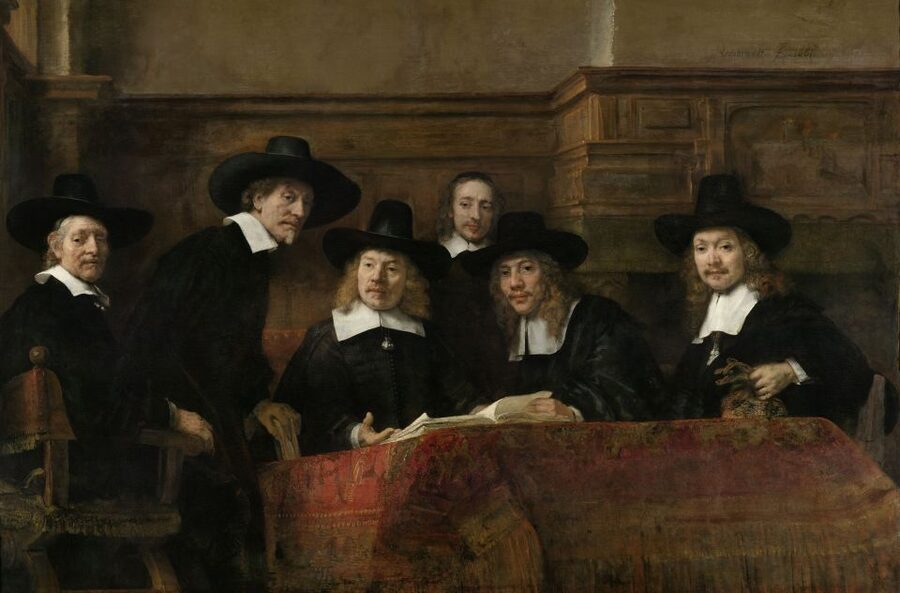
One of the smartest things about this route is that it treats decorative and domestic art as part of the same story as famous paintings. You’ll see Delftware and 17th-century dolls houses, and you’ll also get time with Jan Steen’s family interiors.
Here’s what that does for you:
- It gives you a fuller picture of who bought art and why.
- It makes the Golden Age feel less distant and more like a lived culture.
- It helps you understand that museum highlights aren’t only grand and solemn; some of the most memorable pieces are human and everyday.
The Steen stop is especially valuable if you like art that feels slightly like a snapshot of real life—messy rooms, expressions, and the sense that people are doing more than posing for a portrait.
After the tour, I’d recommend going back to the objects that surprised you. If you found yourself oddly drawn to Delftware details or the “tiny rooms” inside dolls houses, the self-directed time is where you can zoom in without worrying about the next scheduled stop.
The Cuypers Library moment and the tone shift inside the Rijksmuseum
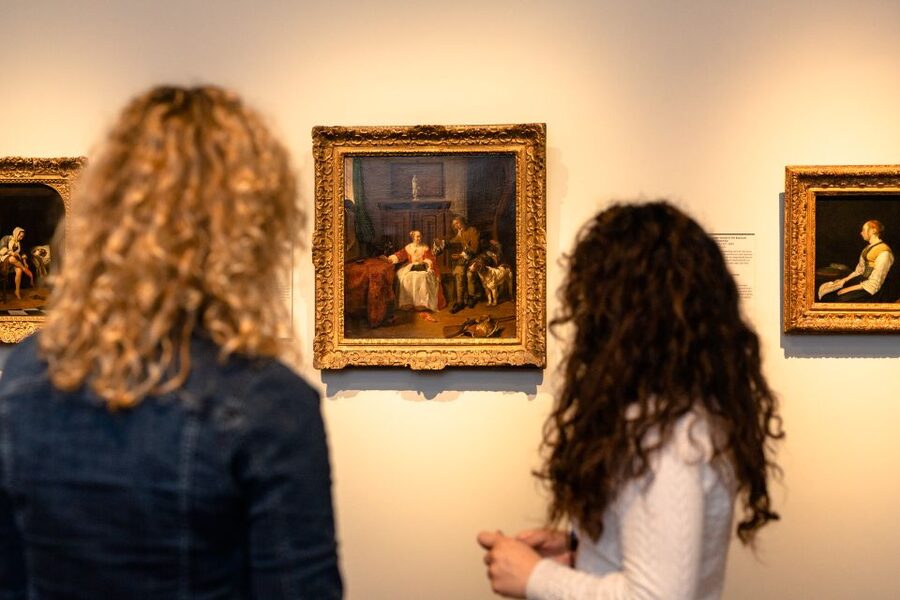
The museum isn’t just one long painting corridor. The inclusion of the Pierre Cuypers Library helps you feel the building as part of the experience, not just a container for art.
Guided tours can sometimes over-focus on surface viewing—big painting, short glance, next painting. A library stop adds contrast: it gives you a breather while still keeping the tour connected to the museum’s identity and how the collection is presented.
If you enjoy architectural or curatorial atmosphere, this is a nice checkpoint. And since your ticket is valid all day, you can treat the tour as a “guided course” and then return later for a slower, more reflective museum pass.
Practical stuff that can make or break your visit: bags, umbrellas, and timing
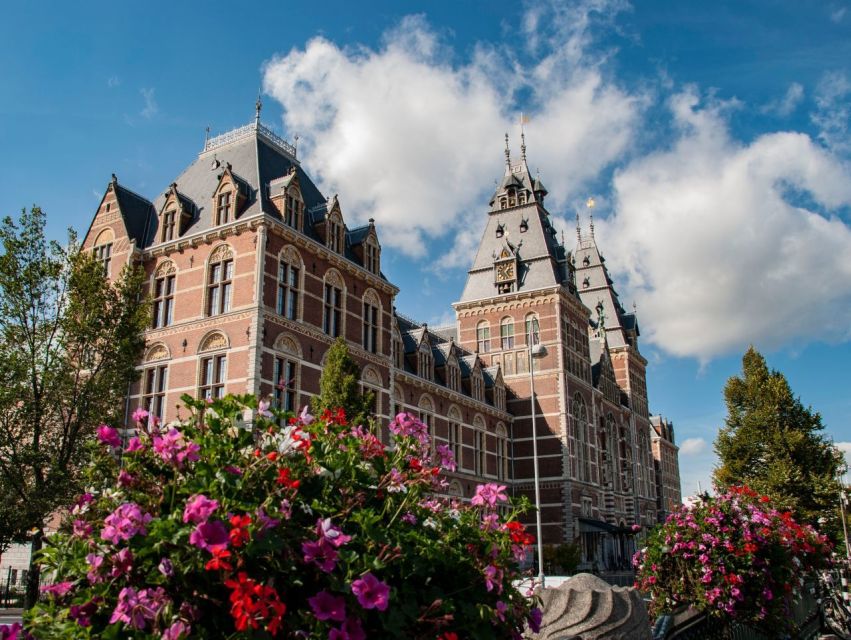
Let’s keep this part direct, because it matters in the Rijksmuseum.
Bag rules
No oversize luggage. No large bags or suitcases. Umbrellas aren’t allowed inside. The allowed items are limited to handbags or small thin backpacks.
So if you’re the “pack a lot just in case” type, you might want to rethink. A cramped museum with restrictions can drain your energy fast—especially on a 2-hour tour where you want to stay focused.
Strict time slots
Rijksmuseum uses strict slots. If you arrive after your tour start time, you can’t just jump in. The entrance ticket expires for that time window, so plan to be there early.
Restricted right to speak in some rooms
Some specific rooms have a restricted right to speak. Your guide will warn you before entering those areas. Translation: don’t be surprised if the tone drops and your guide asks everyone to go quiet.
Artwork may not be on display
Some pieces listed as highlights can be unavailable if they’re on loan or under conservation. If that happens, don’t panic. The tour is still structured around the Dutch Golden Age themes and will likely redirect you to close substitutes in the same spirit.
Price and value: is $78 worth it?
At $78 per person for a 2-hour guided tour, the value comes from what’s included: Rijksmuseum entry, a guide, and a guided museum tour. The real selling point, though, is the ticket validity.
Your ticket is valid all day. So you’re not paying just for the 2-hour guided highlight sequence. You’re paying for a guided “best of” orientation plus the freedom to return later and explore on your own among the museum’s 8,000 works.
Also, the tour is designed to teach you how to look, not only what to look at. When the guide is strong (and many guides on this route are praised for clarity, humor, and patience), that can turn a museum visit from random walking into a sharper experience that lasts beyond the tour time.
If you’re unsure whether you want guidance, this is one of those tours where the included ticket makes it easier to justify the extra cost over self-guided wandering.
Who should book this tour, and who should skip it
This experience is ideal if:
- You want Dutch Golden Age context without reading a guidebook cover to cover.
- You care about Rembrandt and portraits, and you like the idea of seeing major works with explanations.
- You want a guided plan in a museum this large, then freedom afterward with your all-day ticket.
- You prefer a tour that keeps things lively. Multiple guides are praised for humor and strong communication.
You might skip it if:
- You hate structured routes and want total freedom from minute one.
- You’re traveling with bulky luggage you can’t keep within the museum’s bag rules.
- You’re mainly interested in modern or non-Dutch sections and don’t care about this specific Golden Age focus.
Should you book the Rijksmuseum guided tour?
I think it’s a good booking if you want your Rijksmuseum visit to feel like a guided story instead of a long navigation puzzle. The combination of a focused 2-hour route, real highlights like The Nightwatch, and the fact that your ticket stays valid all day makes the $78 price easier to swallow.
Book it if you like portraits, domestic interiors, and decorative arts connected to the culture that created them. Skip or adjust expectations if you’re hoping to see everything in one go—this is a highlights-and-context tour, then you return on your own for the slower magic.
FAQ
Where do I meet for the tour?
Meet your guide at Cobra Café at Museumplein, next to the Rijksmuseum. Meeting point details can vary by option, but Cobra Café is the stated start location.
How long is the guided tour?
The guided portion lasts 2 hours. Starting times vary, so check availability for the exact slot you’ll book.
What’s included in the $78 price?
Your ticket includes Rijksmuseum entrance, a guide, and a guided museum tour. Food and beverage are not included.
Is the ticket valid after the tour ends?
Yes. Your Rijksmuseum ticket is valid all day, so you can keep exploring the museum after the 2-hour guided highlights.
What items should I bring or avoid?
Bring a passport or ID card. The museum does not allow oversize luggage, large bags/suitcases, or umbrellas. Only handbags or small thin backpacks are allowed inside.
What if I arrive late to the start time?
Rijksmuseum uses strict time slots. If you miss the start time, you can’t join the tour afterward because the entrance ticket expires for that time window.